
The Montessori Way
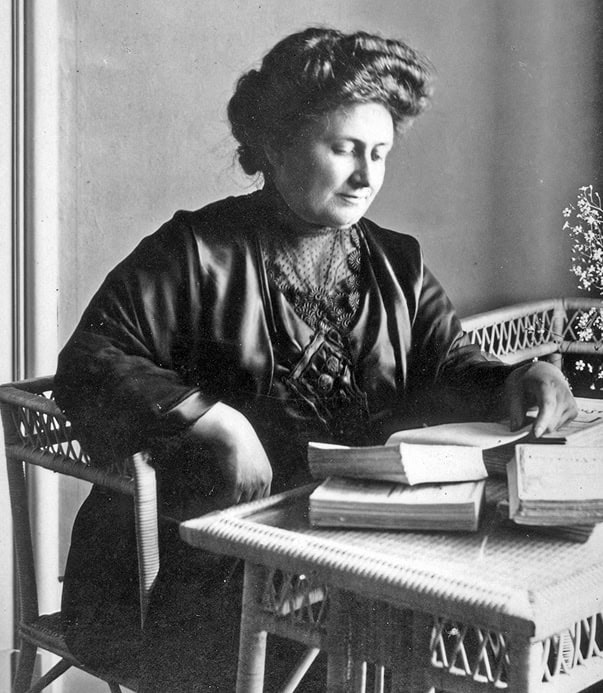
Dr. Maria Montessori
Dr. Maria Montessori developed an educational approach that is centred on the child and focused on preparing individuals for life. Born in Italy in 1870, she became one of the first female doctors in the country. Through her medical work and observations of children, Dr. Montessori developed a deep understanding of their physical, emotional, intellectual, and social needs. These insights formed the foundation of the Montessori philosophy and method of education.
The Montessori environment is carefully prepared to support each student’s natural development. Within this environment, students are encouraged to explore, discover, and learn at their own pace while receiving guidance from skilled educators. The Montessori approach fosters independence, self-confidence, concentration, critical thinking, and a sense of responsibility for oneself, others, and the wider community. Students learn to respect the rights and perspectives of others, laying the foundation for empathy, collaboration, and peaceful citizenship.
One of Dr. Montessori’s most enduring insights was that children are active participants in their own development. Her belief that learners construct knowledge through purposeful activity, exploration, and meaningful experiences inspired her lifelong work in education, psychology, child development, and teacher preparation. Her observations continue to influence educational practice around the world today.
Throughout her life, Dr. Montessori travelled extensively, establishing schools, training teachers, and advocating for educational reform and peace education. She spoke at international conferences and wrote numerous books that continue to inspire educators and families. Dr. Montessori passed away in the Netherlands in 1952, but her legacy lives on through the millions of students, educators, and schools that continue to benefit from her work.
Today, Montessori education is practised in thousands of schools worldwide. More than a century after its beginnings, the Montessori approach remains highly relevant, helping students develop the knowledge, skills, character, and love of learning needed to thrive in an ever-changing world.
Benefit
Supporting the Whole Child
1
Encourages independence and self-confidence
2
Develops concentration and self-discipline
3
Nurtures curiosity and a love of learning
4
Strengthens critical thinking and problem-solving skills
5
Fosters respect, empathy, and collaboration
6
Supports children in becoming capable and responsible learners
FAQ
What is Montessori?
Montessori is an approach to education that begins with a deep respect for the individual learner. It is both a philosophy and a method of education, grounded in careful observation of how children grow, learn, and make sense of the world around them.
Developed by Dr. Maria Montessori, the approach recognises that students learn best when they are actively engaged, free to explore their interests, and supported within a thoughtfully prepared environment. More than a century after its beginnings, Montessori education continues to be practised in schools around the world. Its enduring relevance lies in its holistic view of human development and its ability to meet the needs of diverse learners.
The Montessori approach integrates insights from child development, psychology, neuroscience, and educational research, creating a comprehensive framework that nurtures academic growth, independence, social responsibility, creativity, and a lifelong love of learning. At its heart, Montessori education empowers students to become confident, capable, and self-motivated learners who are prepared not only for academic success, but also for meaningful participation in their communities and the wider world.
How is a Montessori Programme Different?
The Montessori approach is distinguished by its focus on the individual learner and a deep understanding of human development. While every educational approach has its own strengths, Montessori offers several unique characteristics:
- Individualised Learning
Students are guided according to their developmental needs, interests, and readiness rather than solely by age or a standardised pace. This allows each student to progress with appropriate challenge and support. - Active, Hands-On Learning
Students learn through exploration, investigation, and meaningful experiences. Carefully designed Montessori materials help students move from concrete understanding to abstract thinking, fostering deep and lasting learning. - A Prepared Environment
Montessori classrooms are intentionally designed to promote independence, concentration, and freedom within clear limits. Students can access a wide range of learning materials and activities that support their developmental stage. - The Teacher as Guide
Montessori teachers carefully observe each student and provide lessons,
guidance, and encouragement at the appropriate time. Rather than being the
centre of the classroom, they help students develop confidence, independence,
and responsibility for their own learning. - Development of the Whole Person
Montessori education goes beyond academic achievement. Equal importance is
placed on social-emotional development, character, respect for others, environmental stewardship, creativity, and the skills needed to contribute positively to society.
Together, these elements create a learning environment where students develop a love of learning, confidence in their abilities, and the independence to become lifelong learners.
How Does a Montessori Education Benefit Students?
More than a century of Montessori practice, together with contemporary educational research, suggests that students thrive when they are given opportunities to develop independence, responsibility, and a genuine love of learning. A Montessori education aims to nurture the whole person—academically, socially, emotionally, and ethically.
- Academic Confidence and Competence
Montessori students are encouraged to explore concepts deeply and learn at a pace that matches their readiness. Through hands-on experiences, critical thinking, and purposeful work, they develop strong foundations for lifelong learning and academic success. - Independence and Self-Discipline
From an early age, students are given meaningful opportunities to make choices, manage their responsibilities, and reflect on their actions. Over time, they develop
self-discipline, perseverance, initiative, and confidence in their own abilities. - Social and Emotional Growth
Montessori classrooms foster a strong sense of community. Students learn to collaborate, communicate respectfully, resolve conflicts peacefully, and appreciate different perspectives. Grace and Courtesy lessons help students develop empathy, respect, and positive relationships with others. - Leadership and Responsibility
Students are encouraged to take ownership of their learning and contribute to the well-being of their community. Mixed-age environments provide opportunities for students to learn from one another, mentor younger peers, and develop leadership skills. - A Love of Learning
Perhaps most importantly, Montessori students often develop an intrinsic motivation to learn. By following their curiosity and engaging in meaningful work, they discover the joy of learning and build habits that support continued growth throughout their lives.
At Jakarta Montessori School, these outcomes are reflected in our commitment to developing Lifelong Learners, Creative Thinkers, Peacemakers, Global Citizens, and Stewards of the Earth.
How Does Montessori Foster Self-Discipline?
Visitors to a Montessori classroom are often struck by the calm, purposeful atmosphere and the respect students show for one another and their environment. While this may appear effortless, it is the result of a carefully prepared environment and a thoughtful approach to human development.
In Montessori education, discipline is not something imposed upon students through rewards, punishments, or external control. Instead, it is viewed as an inner quality that develops gradually as students gain independence, responsibility, and an understanding of how their actions affect others.
Montessori teachers guide students with respect and consistency. They help students learn appropriate behaviour, resolve conflicts peacefully, and make positive choices. When difficulties arise, teachers seek to understand the underlying need and work collaboratively with the student to find constructive solutions.
The Montessori environment itself also plays an important role. Clear expectations, meaningful work, freedom within limits, and opportunities for choice help students develop concentration, self-control, and responsibility. As students become more capable and confident, they begin to regulate their own behaviour and contribute positively to the classroom community.
At Jakarta Montessori School, we believe that true discipline comes from within. Our goal is not simply compliance, but the development of self-discipline, empathy, respect, and personal responsibility—qualities that serve students throughout their lives.
The foundations of this approach are:
- A carefully prepared environment that supports students' developmental needs and encourages independence.
- Skilled Montessori educators who guide students through positive relationships, respectful communication, and constructive problem-solving.
- A strong sense of community where students learn to respect themselves, others, and the environment while understanding the natural consequences of their choices.
Why Choose a Montessori Education?
Choosing a school is one of the most important decisions a family can make. Parents are not only selecting where their child will learn academic skills, but also the environment in which they will develop confidence, character, independence, and a lifelong attitude towards learning.
Montessori education is based on a deep understanding of human development and recognises that each student grows and learns in their own unique way. Rather than expecting all students to learn the same thing at the same time, the Montessori approach respects individual readiness and provides opportunities for students to progress at an appropriate pace while being supported and challenged along the way.
In a Montessori environment, students are encouraged to become active participants in their own learning. They develop independence, curiosity, critical thinking, responsibility, and the ability to work both collaboratively and independently. These qualities help students succeed not only in school but throughout their lives.
Montessori educators are specially trained to observe, guide, and support each student's development. Through carefully prepared environments, meaningful learning experiences,
and respectful relationships, they help students build the knowledge, skills, and character needed to thrive in an ever-changing world.
At Jakarta Montessori School, we believe that education should do more than prepare students for examinations. It should prepare them for life. Our goal is to nurture confident, compassionate, and capable young people who become Lifelong Learners, Creative Thinkers, Peacemakers, Global Citizens, and Stewards of the Earth.